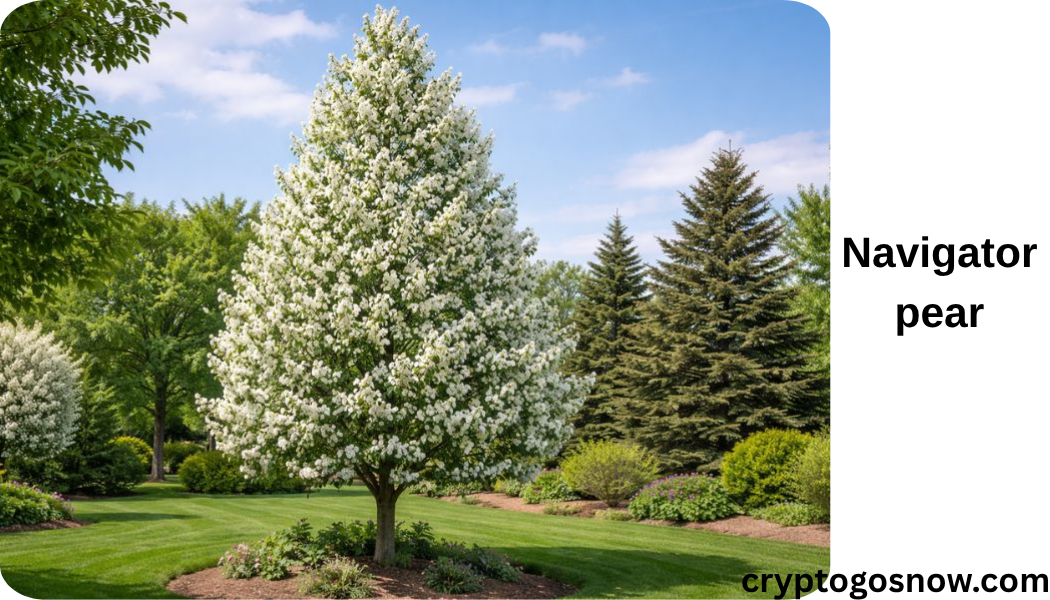
Navigator Pear: The Complete Guide to Growing, Caring for, and Enjoying This European-Style Pear Variety
The navigator pear is a European-style pear variety (Pyrus communis) developed specifically for home orchards and smaller garden spaces. As more homeowners become interested in growing their own fruit, compact and productive fruit trees have become increasingly popular. The navigator pear meets this need by combining manageable tree size, dependable fruit production, and excellent eating quality.
Unlike large commercial orchard trees that require significant space and maintenance, the navigator pear is well suited for backyard gardens, urban landscapes, and small family orchards. Its attractive appearance, seasonal beauty, and flavorful fruit make it an excellent choice for beginner and experienced gardeners alike.
This comprehensive guide explores everything you need to know about the navigator pear, including its history, characteristics, planting methods, care requirements, health benefits, harvesting, storage, common growing problems, and why it has become a favorite among home fruit growers.
What Is a Navigator Pear?
The navigator pear is a European pear variety belonging to the species Pyrus communis. It was developed with home gardeners in mind, offering many of the qualities people want in a backyard fruit tree.
These qualities include:
- Compact growth
- Reliable fruit production
- Attractive appearance
- Easy maintenance
- Delicious fruit
- Adaptability to small spaces
Unlike some pear trees that grow very large, the navigator pear is easier to manage, making pruning, harvesting, and seasonal care much simpler.
Why the Navigator Pear Is Becoming Popular
Interest in home gardening has grown rapidly in the United States over the past several years. More families are planting fruit trees to enjoy fresh produce, reduce grocery costs, and create attractive outdoor spaces.
The navigator pear fits perfectly into these modern gardening trends because it offers:
- High-quality fruit
- Attractive spring blossoms
- Moderate tree size
- Long lifespan
- Good productivity
- Home garden suitability
Its versatility makes it an excellent option for suburban yards, rural properties, and even larger urban gardens.
Understanding European Pear Varieties
European pears differ from Asian pears in both appearance and texture.
European pears generally have:
- Soft, buttery flesh when ripe
- Sweet flavor
- Smooth texture
- Classic pear shape
- Pleasant aroma
The navigator pear belongs to this traditional European category, making it an appealing choice for people who enjoy classic dessert pears.
Key Characteristics of the Navigator Pear
Every fruit variety has unique characteristics that distinguish it from others.
The navigator pear is valued for several important qualities.
Compact Tree Size
One of its greatest advantages is manageable growth.
This allows gardeners to:
- Reach fruit easily
- Perform pruning safely
- Reduce maintenance
- Fit trees into smaller landscapes
Beautiful Seasonal Appearance
The tree provides visual interest throughout the year.
In spring:
- White blossoms cover the branches.
During summer:
- Rich green foliage creates shade and beauty.
In autumn:
- Fruit matures while leaves often develop attractive seasonal colors.
Even during winter, the tree contributes structure to the landscape.
Reliable Fruit Production
Home gardeners appreciate dependable harvests.
Under proper growing conditions, navigator pear trees can produce fruit consistently for many years.
The History of European Pear Cultivation
Pear trees have been cultivated for thousands of years.
Historical records suggest pears were grown throughout Europe and parts of Asia long before modern agriculture developed.
Over centuries, growers selectively bred trees for:
- Better flavor
- Improved texture
- Disease resistance
- Higher yields
- Easier cultivation
The navigator pear reflects this long tradition while addressing the needs of today’s home gardeners.
Ideal Growing Conditions for Navigator Pear
Like most fruit trees, navigator pear performs best under suitable environmental conditions.
Sunlight
The tree thrives in full sunlight.
Ideally, it should receive:
- Six to eight hours of direct sunlight daily
Adequate sunlight supports:
- Flower production
- Fruit development
- Healthy foliage
- Better fruit sweetness
Soil Requirements
Navigator pear grows best in:
- Well-drained soil
- Fertile soil
- Loamy soil
- Soil rich in organic matter
Poor drainage can lead to root problems.
Improving soil with compost before planting often produces healthier growth.
Climate
European pears generally perform well in temperate climates.
The navigator pear adapts to many regions where winter chilling requirements are met and summers are warm enough for fruit development.
How to Plant a Navigator Pear Tree
Successful planting begins with proper preparation.
Choose a planting location that provides:
- Good sunlight
- Proper drainage
- Sufficient air circulation
- Room for future growth
Basic planting steps include:
- Dig a hole wider than the root system.
- Loosen the surrounding soil.
- Position the tree so the root flare sits slightly above ground level.
- Backfill with soil.
- Water thoroughly.
- Apply mulch around the base while keeping it away from the trunk.
Proper planting encourages strong root establishment during the first growing season.
Watering Requirements
Young navigator pear trees require regular watering while establishing roots.
General guidelines include:
- Water deeply rather than frequently.
- Keep soil consistently moist but not waterlogged.
- Increase watering during hot, dry weather.
- Reduce watering during extended rainy periods.
Established trees usually tolerate short periods of drought better than newly planted trees.
Fertilizing the Navigator Pear
Healthy trees benefit from balanced nutrition.
Gardeners often improve soil fertility through:
- Compost
- Organic matter
- Balanced fruit tree fertilizer
- Well-aged manure when appropriate
Avoid excessive fertilization, as too much nitrogen may encourage leafy growth instead of fruit production.
Pruning for Healthy Growth
Pruning is one of the most important maintenance tasks.
Benefits include:
- Better sunlight penetration
- Improved airflow
- Stronger branch structure
- Easier harvesting
- Reduced disease risk
Annual pruning also helps maintain the compact size that makes the navigator pear attractive for home gardens.
Flowering Season
One of the highlights of growing navigator pear is its spring bloom.
Clusters of white flowers attract pollinators such as:
- Honeybees
- Native bees
- Butterflies
- Other beneficial insects
Good pollination plays an important role in fruit production.
Fruit Development
Following successful pollination, small fruit begins developing.
Throughout the growing season, pears gradually increase in size while changing in texture and flavor.
Proper watering and balanced nutrition support healthy fruit development.
Harvesting Navigator Pear
Knowing when to harvest is important.
Unlike many fruits, European pears are often picked before they become fully soft.
Signs of maturity may include:
- Full size
- Characteristic skin color
- Easy separation from the branch with a gentle lift
Allowing fruit to ripen indoors often improves flavor and texture.
What Does Navigator Pear Taste Like?
The navigator pear is appreciated for its pleasant eating quality.
Many people describe its flavor as:
- Sweet
- Mild
- Refreshing
- Juicy
- Smooth
When properly ripened, the flesh develops the soft, buttery texture that European pears are known for.
Its balanced flavor makes it enjoyable both fresh and in cooked recipes.
Nutritional Value of Navigator Pear
Like other pears, navigator pear contributes important nutrients to a healthy diet.
It naturally contains:
- Dietary fiber
- Vitamin C
- Potassium
- Copper
- Small amounts of vitamin K
- Various antioxidants
- Natural carbohydrates
Because pears are naturally low in fat and contain no cholesterol, they fit well into many balanced eating plans.
Health Benefits of Navigator Pear
Including navigator pear as part of a varied diet may support overall wellness.
Potential benefits include:
Supports Digestive Health
The fruit’s fiber helps promote healthy digestion and regular bowel movements.
Contributes to Heart Health
Fiber and potassium support heart-friendly eating habits when combined with a balanced diet.
Provides Natural Antioxidants
Antioxidants help protect cells from oxidative stress and support overall health.
Supports Hydration
Pears contain a high percentage of water, making them a refreshing snack during warm weather.
Fits Into Balanced Diets
Navigator pear can be enjoyed as part of many healthy eating patterns thanks to its naturally sweet taste and nutrient content.
How to Store Navigator Pears Properly
Proper storage helps preserve the flavor, texture, and freshness of navigator pears after harvest.
If the fruit is picked while still firm, allow it to ripen at room temperature for several days. Once the pears become slightly soft near the stem, they are ready to eat.
For longer storage:
- Refrigerate ripe pears to slow the ripening process.
- Keep them in the refrigerator’s fruit drawer when possible.
- Handle the fruit gently to avoid bruising.
- Wash pears just before eating rather than before storage.
Following these simple steps can help extend freshness while maintaining quality.
Best Ways to Enjoy Navigator Pear
Navigator pears are versatile and can be used in many everyday recipes.
Popular serving ideas include:
- Eat fresh as a healthy snack.
- Slice into green salads.
- Add to fruit salads.
- Serve with cheese boards.
- Blend into smoothies.
- Bake into pies and tarts.
- Roast alongside vegetables.
- Add to oatmeal.
- Mix into yogurt.
- Include in homemade desserts.
Their naturally sweet flavor works well in both sweet and savory dishes.
Cooking With Navigator Pear
Cooking enhances the pear’s sweetness while creating a soft texture.
Common cooking methods include:
Baking
Baked navigator pears make an excellent dessert when paired with cinnamon, oats, or nuts.
Poaching
Poaching keeps the fruit moist while allowing it to absorb flavors from spices such as cinnamon, vanilla, or cloves.
Roasting
Roasted pears pair well with poultry, pork, roasted vegetables, and whole grains.
Grilling
Grilled pears develop light caramelization that complements salads and sandwiches.
Can You Grow Navigator Pear in Small Gardens?
Yes. One of the biggest advantages of the navigator pear is its suitability for limited spaces.
It performs well in:
- Small backyards
- Home orchards
- Cottage gardens
- Raised landscape areas
- Larger containers when grafted onto suitable dwarf rootstocks
Its manageable size allows homeowners to grow fresh fruit without needing a large commercial orchard.
Pollination Requirements
Like many European pear varieties, navigator pear may produce better harvests when another compatible pear variety grows nearby.
Cross-pollination often results in:
- More blossoms developing into fruit
- Improved yields
- Better fruit quality
- More consistent production from year to year
Gardeners should check local recommendations to select a suitable pollination partner for their growing region.
Common Pests
Healthy trees can occasionally experience pest problems.
Some common pests include:
- Aphids
- Pear psylla
- Caterpillars
- Scale insects
- Leaf-feeding insects
Regular inspection helps identify problems before they become serious.
Encouraging beneficial insects and practicing good garden hygiene can reduce many pest issues naturally.
Common Diseases
Like other fruit trees, navigator pear may be affected by certain plant diseases under unfavorable conditions.
Potential issues include:
- Fire blight
- Leaf spot
- Powdery mildew
- Root diseases in poorly drained soil
Good pruning, proper spacing, healthy soil, and adequate air circulation all help reduce disease risk.
When necessary, seek guidance from local agricultural extension services for region-specific management recommendations.
Seasonal Care Calendar
Providing care throughout the year helps maintain a healthy and productive tree.
Spring
- Inspect new growth.
- Apply compost if needed.
- Watch for blossoms.
- Monitor for pests.
Summer
- Water during dry periods.
- Thin overcrowded fruit if necessary.
- Monitor tree health.
- Remove damaged branches.
Autumn
- Harvest mature fruit.
- Clean fallen leaves and fruit.
- Prepare the tree for winter.
Winter
- Perform structural pruning.
- Inspect for damaged branches.
- Protect young trees from severe weather if needed.
Growing Navigator Pear Organically
Many home gardeners prefer organic growing practices.
Helpful methods include:
- Applying compost regularly.
- Using organic mulch.
- Encouraging pollinators.
- Conserving soil moisture.
- Rotating companion plants.
- Reducing unnecessary chemical use.
Healthy soil often produces healthier trees over the long term.
Why Navigator Pear Is Ideal for Home Orchards
Home orchard owners often prioritize varieties that combine beauty with productivity.
Navigator pear offers several advantages:
- Compact growth habit
- Attractive spring flowers
- Delicious fruit
- Long productive life
- Easy maintenance
- Suitable for smaller landscapes
These qualities make it an excellent choice for families interested in growing fresh fruit at home.
Environmental Benefits of Growing Fruit Trees
Planting navigator pear trees provides benefits beyond fruit production.
Fruit trees help:
- Support pollinators
- Improve biodiversity
- Capture carbon dioxide
- Provide seasonal shade
- Enhance residential landscapes
- Encourage local food production
Growing even one fruit tree can contribute to a healthier outdoor environment.
Common Mistakes to Avoid
New gardeners sometimes make mistakes that affect tree health.
Common errors include:
- Planting in poorly drained soil
- Watering too frequently
- Overfertilizing with nitrogen
- Skipping annual pruning
- Harvesting fruit too late
- Ignoring signs of pests or disease
Learning proper care techniques early helps improve long-term success.
Navigator Pear Compared With Other European Pears
While many European pear varieties produce excellent fruit, the navigator pear stands out because of its focus on home gardening.
Compared with larger commercial varieties, it generally offers:
- Easier maintenance
- Better suitability for limited spaces
- Convenient harvesting
- Attractive ornamental value
- Reliable backyard production
For homeowners who want both beauty and practicality, navigator pear is a well-balanced choice.
Future Interest in Compact Fruit Trees
Consumer interest in home food production continues to grow.
As urban gardening and sustainable living become more popular, compact fruit trees like the navigator pear are likely to remain in demand.
Homeowners increasingly appreciate fruit trees that provide:
- Fresh produce
- Decorative value
- Wildlife support
- Educational opportunities for children
- Long-term landscape investment
The navigator pear fits well within these modern gardening trends.
Conclusion
The navigator pear is an excellent European-style pear variety developed for home orchards, backyard gardens, and smaller landscapes. Its manageable size, dependable fruit production, attractive seasonal beauty, and delicious pears make it an outstanding choice for gardeners of all experience levels.
Beyond producing flavorful fruit, the navigator pear adds lasting value to a landscape by supporting pollinators, encouraging home food production, and promoting sustainable gardening practices. With proper planting, watering, pruning, and seasonal care, a healthy tree can provide years of reliable harvests while enhancing the beauty of any outdoor space.
Whether you are planting your first fruit tree or expanding an existing home orchard, the navigator pear offers a rewarding combination of practicality, productivity, and classic European pear quality that can be enjoyed for many growing seasons.
Frequently Asked Questions (FAQs)
How many years does a navigator pear tree take to produce fruit?
Most young trees begin producing fruit within three to five years after planting, depending on the rootstock, growing conditions, and overall care.
Can navigator pears be used for baking?
Yes. Their sweet flavor and smooth texture make them an excellent choice for pies, cakes, crisps, tarts, muffins, and other baked desserts.
Do navigator pear trees attract pollinators?
Yes. Their spring blossoms attract bees and other beneficial pollinating insects that support fruit production and overall garden biodiversity.
Can I grow a navigator pear tree in a container?
Some navigator pear trees grafted onto dwarf rootstocks can be grown successfully in large containers, provided they receive enough sunlight, water, nutrients, and regular pruning.
What makes the navigator pear a good choice for beginners?
Its compact size, relatively easy maintenance, reliable harvests, attractive appearance, and versatility make it an excellent fruit tree for gardeners who are new to growing fruit at home.