
Aterso01: What It Means on Your Credit Report and What You Should Do
If you have recently checked your credit report and noticed the name “aterso01,” you may immediately have questions. You may wonder who Aterso01 is, why the name appears on your credit history, whether the debt is really yours, whether it can hurt your credit score, and what steps you should take next.
These questions are understandable. Debt collection entries can be confusing because the name shown on a credit report is not always the same as the company you originally had an account with.
Public information about Aterso01 connects the name with debt collection activity and, historically, with Convergent Outsourcing and related collection operations. A federal court record, for example, references “ATERSO01” as an address identifier used in connection with Convergent Outsourcing correspondence.
However, consumers should be careful about assuming that every letter, phone call, or credit-report entry using the Aterso01 name is automatically valid. The safest approach is to verify the debt before making a payment or sharing sensitive financial information.
This guide explains Aterso01 in simple language. It covers what the name means, why it may appear on a credit report, how debt validation works, how credit-report disputes work, what federal protections may apply, and what consumers should consider before paying or negotiating a collection account.
The information below is intended for general education. It is not personal financial or legal advice. Debt-collection rules can also vary by state, so people facing a lawsuit or complicated debt situation may want to speak with a qualified consumer-law attorney.
What Is Aterso01?
Aterso01 is a name associated with debt collection activity rather than a normal consumer brand or lender.
Several consumer-focused credit websites identify Aterso01 as a debt collector.
The name has also appeared in historical collection correspondence connected with Convergent Outsourcing. A federal court case from the Eastern District of New York describes a collection letter that included “ATERSO01” and an Oaks, Pennsylvania address alongside Convergent Outsourcing information.
This is important because someone searching for Aterso01 may not find a traditional company website that clearly explains the name.
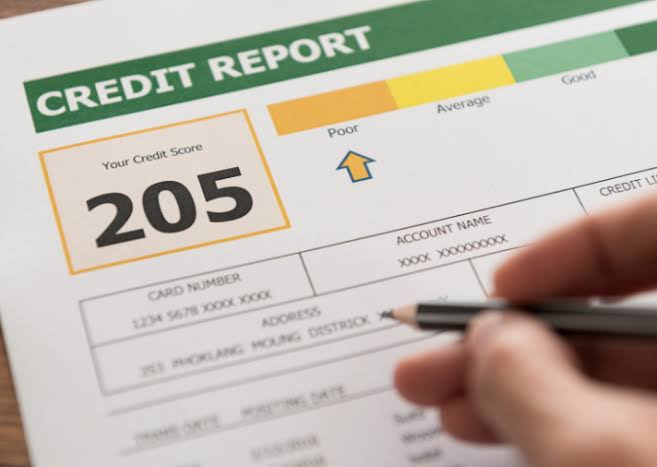
In practice, Aterso01 may appear as an identifier, mailing designation, or collection-related name associated with an account.
Also read:Berniece Julien: Biography, Career, Business Journey, Marriage to Tyson Beckford, and Life Today
That means seeing Aterso01 does not necessarily tell you everything about the original debt.
The most important question is:
What debt is being claimed, who was the original creditor, and can the collector provide information showing that the debt is valid?
Why Is Aterso01 on My Credit Report?
If Aterso01 appears on your credit report, it may mean that an account has been placed with or transferred to a debt collector.
For example, a person might have had an unpaid account with a telecommunications company, financial company, retailer, or another creditor. If the account becomes seriously delinquent, the original company may use a collection agency or sell the debt.
The name appearing on the credit report can therefore be different from the company the consumer remembers.
The CFPB explains that unfamiliar names can appear because creditors may sell accounts or use third-party collection companies.
This is why an unfamiliar name does not automatically mean fraud.
At the same time, an unfamiliar account should not automatically be accepted as yours.
It needs to be checked.
Is Aterso01 a Debt Collector?
Public consumer-credit sources identify Aterso01 as a debt collection name.
Historical court records provide another useful piece of context by showing ATERSO01 used in correspondence associated with Convergent Outsourcing.
Because collection companies and collection accounts can change over time, consumers should rely on the current validation notice, credit-report information, and official records associated with their specific account rather than assuming that an old address or phone number found online is still current.
This is particularly important if someone receives an unexpected call or letter.
Why Does Aterso01 Contact Consumers?
A collection company generally contacts a consumer because it believes money is owed on an account.
The account might involve a telephone bill, credit account, medical debt, utility account, or another consumer obligation.
However, the fact that someone contacts you does not by itself prove that the debt is yours.
The Federal Trade Commission advises consumers to confirm that a debt actually belongs to them before paying. The FTC also recommends asking for validation information, especially when the debt is unfamiliar.
This is one of the most important points for anyone searching for Aterso01.
Do not let the unfamiliar name create unnecessary panic.
Instead, slow down and verify.
Aterso01 and Convergent Outsourcing
One reason the term Aterso01 can be confusing is its historical association with Convergent Outsourcing.
In a federal court case, the plaintiff received a collection letter from Convergent Outsourcing that contained multiple company and mailing references, including an address labeled “ATERSO01.”
Other publicly available listings have also associated the ATERSO01 identifier with collection-related addresses used by Convergent or related operations.
This does not mean every current communication using the term should automatically be assumed to come from the same organization.
Collection operations can change.
Addresses can change.
Companies can change ownership or servicing arrangements.
For that reason, consumers should use the information on their current collection notice and independently verify the contact information before sending money or sensitive information.
Is Aterso01 a Scam?
It is not accurate to automatically label every Aterso01 communication as a scam.
At the same time, consumers should not assume that every debt-collection message is legitimate simply because it uses a familiar-looking name.
There have been online consumer complaints involving ATERSO01 and collection-related communications, including reports from people who said they did not recognize the alleged debt. These are consumer reports and allegations, not proof that every collection account or communication is improper.
The best approach is verification.
The FTC currently advises consumers to request validation information and confirm the debt before paying.
A legitimate debt collector should be able to provide information about the claimed debt.
What Is Debt Validation?
Debt validation is the process of obtaining information that helps a consumer understand and evaluate a collection claim.
Under federal Regulation F, a debt collector generally must provide validation information. The required information can include details about the creditor, amount of the debt, and the consumer’s rights to dispute the debt.
The validation process is especially useful when the consumer does not recognize the account.
You should look at the information carefully.
Check the creditor.
Check the amount.
Check the account information.
Check dates.
Check whether payments or credits were applied.
Check whether the debt actually belongs to you.
Do not simply focus on the name Aterso01.
The underlying account is what matters.
What Should I Do If I Do Not Recognize Aterso01?
Do not immediately pay.
Do not immediately provide sensitive information.
Instead, review the collection notice and your credit reports.
Look for the original creditor.
For example, you may discover that Aterso01 is connected to an account you recognize from years ago.
You may also discover that the account is not yours.
It could be an identity-theft issue.
It could be a mixed-file error.
It could be an account that was already paid.
It could involve an incorrect amount.
The CFPB lists several common credit-report errors, including accounts belonging to another person, identity-theft accounts, incorrect account status, incorrect delinquency dates, duplicate accounts, and incorrect balances.
Should You Pay Aterso01 Immediately?
Generally, you should not make an immediate payment simply because you receive a collection demand.
First determine whether the debt is legitimate.
The FTC specifically advises consumers to confirm that a debt is actually theirs before paying.
If the debt is valid, you can then consider your available options.
Those options might include paying the full amount, requesting a payment arrangement, or negotiating a settlement when appropriate.
But the correct choice depends on your financial circumstances and the status of the debt.
What If the Debt Is Not Mine?
If Aterso01 is attempting to collect a debt that does not belong to you, you should dispute it.
The CFPB says consumers who believe they do not owe a debt can send a written dispute to the collector and request information about the debt.
If the dispute is made in writing within the applicable 30-day validation period, the debt collector generally must stop collection activity on the disputed debt until it provides verification.
This is why keeping the original letter is important.
Do not throw away the notice.
Save emails.
Save text messages.
Record phone calls when legally permitted.
Keep copies of letters.
Keep copies of disputes.
Documentation can become extremely valuable if the issue continues.
The 30-Day Debt Dispute Period
Federal debt-collection rules provide an important 30-day validation period.
The CFPB’s Regulation F explains that the validation period generally ends 30 days after the consumer receives or is assumed to receive the validation information.
If you dispute the debt in writing during the required period, the collector generally must stop collection activity on the disputed debt until it provides verification.
This does not mean you should ignore the debt after 30 days.
You can still dispute a debt later in many circumstances.
But responding promptly is usually the safer approach.
What Should a Debt Dispute Include?
A simple dispute should clearly explain what you disagree with.
For example, you may state that:
You do not recognize the debt.
The account does not belong to you.
The amount is incorrect.
The account was already paid.
The debt information is inaccurate.
The account may involve identity theft.
The goal is clarity.
Avoid unnecessary personal information.
Only provide information that is needed to identify and resolve the dispute.
Aterso01 and Your Credit Score
A collection account can affect creditworthiness when it is reported to a consumer reporting agency.
However, the effect is more complicated than simply saying that every collection automatically reduces every person’s score by a fixed number.
Different credit-scoring models can treat collections differently.
Also read:CracksTube: Everything You Need to Know About the Multi-Category Publishing Platform
The age of the collection also matters.
The type of debt can matter.
The status of the account can matter.
The information reported by the furnisher matters.
Therefore, it is better to say that an Aterso01 collection may negatively affect your credit profile rather than promising a specific number of lost points.
How Long Can a Collection Stay on a Credit Report?
Many negative items can generally remain on a credit report for up to seven years, although the exact rules depend on the type of information.
The CFPB states that most negative information remains on credit reports for seven years.
This is an important distinction:
Paying a collection does not necessarily mean that the collection disappears immediately.
Payment status and reporting period are separate issues.
A paid collection may be reported differently from an unpaid collection, but accurate negative information is not automatically removed simply because it has been paid.
Can You Remove Aterso01 From Your Credit Report?
Sometimes an Aterso01 entry can be removed, but there is no legitimate universal trick that guarantees deletion.
If the information is inaccurate, incomplete, fraudulent, duplicated, or cannot be verified, disputing it may lead to correction or removal.
The CFPB says consumers have the right to dispute inaccurate information with both the credit reporting company and the company that supplied the information.
If an investigation finds that the information is wrong or cannot be verified, the information may need to be corrected or removed.
What If the Aterso01 Information Is Accurate?
This is where consumers should be careful about promises made by credit-repair companies.
The CFPB states that accurate negative information generally cannot simply be removed from a credit report because a consumer does not like it.
A company promising to erase accurate negative information should therefore be treated cautiously.
You have the right to dispute errors yourself.
You do not need to pay someone simply to submit a legitimate dispute.
How to Dispute Aterso01 With a Credit Bureau
If the Aterso01 information appears inaccurate on your credit report, you can dispute it with the relevant credit reporting company.
The CFPB recommends explaining in writing what information is wrong and why, while providing copies of supporting documents.
You should also dispute the information with the company that supplied it to the credit bureau.
This second step is important.
The company providing information to a credit bureau is known as a furnisher.
Both sides may have responsibilities under federal credit-reporting law.
Check All Three Major Credit Reports
Do not assume that an account appears identically everywhere.
Check your reports from Equifax, Experian, and TransUnion.
The account might appear on one report but not another.
It may also show different balances or dates.
The CFPB recommends disputing inaccurate information with the credit reporting companies and the furnisher.
Reviewing all reports can therefore give you a clearer picture.
Common Aterso01 Credit Report Errors
If you see Aterso01, carefully examine the details.
Look for:
Wrong name.
Wrong address.
Wrong account number.
Wrong balance.
Wrong original creditor.
Wrong payment status.
Wrong date.
Duplicate collection.
Account that does not belong to you.
Account resulting from identity theft.
These are not theoretical concerns. The CFPB specifically identifies identity mistakes, mixed files, incorrect account status, incorrect dates, duplicate debts, and incorrect balances as examples of credit-report errors.
What If the Debt Was Already Paid?
If you already paid the original creditor or another collector, gather evidence.
Look for receipts.
Bank statements.
Settlement letters.
Account statements.
Emails.
Payment confirmations.
Then compare those records with the Aterso01 claim.
If the account was already paid but is being reported incorrectly, you can dispute the information.
The CFPB specifically recognizes situations where a collector contacts consumers about debts they believe were already paid.
What If Identity Theft Is Involved?
Identity theft can create serious credit problems.
If someone opened an account using your information, do not treat the collection as a normal unpaid bill.
Document the situation.
Dispute the account.
Follow the appropriate identity-theft reporting process.
The CFPB directs consumers dealing with identity-theft-related credit errors toward IdentityTheft.gov for recovery assistance.
Can Aterso01 Sue You?
A debt collector may have legal options when a legitimate debt remains unpaid, but whether a lawsuit is possible depends on the circumstances, the debt, applicable law, and the relevant state’s rules.
Do not assume that a collection notice means a lawsuit is coming.
But do not ignore actual court documents either.
If you receive a summons or complaint, read it carefully and consider getting legal advice promptly.
A court case is different from an ordinary collection letter or phone call.
Can a Collector Garnish Your Wages?
A collector generally cannot simply take money directly from your paycheck because it claims that you owe a debt.
Garnishment usually requires a legal process and, in many cases, a court judgment, subject to applicable law and exceptions.
If you receive court papers related to a debt, do not ignore them.
State laws can provide additional protections or requirements.
Can Debt Collectors Call You at Work?
Federal law places limits on debt-collection communications.
The FTC explains that collectors generally cannot contact consumers before 8 a.m. or after 9 p.m. unless the consumer agrees. They also cannot contact a consumer at work if they know or have reason to know that the employer prohibits such communications.
If workplace calls are creating a problem, clearly communicate your preference in writing and keep evidence of the request.
Can You Tell Aterso01 to Stop Contacting You?
Federal law gives consumers a way to request that a debt collector stop communicating about a debt.
The FTC explains that consumers can send a written request to stop communications. After receiving the letter, the collector generally may communicate only for limited reasons, such as confirming that communication will stop or informing the consumer about a specific legal remedy.
Stopping communication does not erase a valid debt.
This distinction is important.
A stop-contact request changes communication.
It does not automatically cancel the underlying obligation.
Keep Records of Every Contact
If you are dealing with Aterso01, create a simple record.
Write down:
Date.
Time.
Phone number.
Name of caller.
Company name.
What the caller said.
Amount claimed.
Original creditor.
What you responded.
Any documents received.
This record can help you identify contradictions.
It can also help if you need to file a complaint or seek legal advice.
Be Careful With Personal Information
Debt-collection scams can take advantage of fear.
A caller may pressure you to pay immediately.
The FTC recommends not sharing personal or financial information until you have received validation information or otherwise confirmed that the collector is legitimate.
Do not provide sensitive information simply because someone knows your name.
Knowing your name does not prove that a caller is legitimate.
Verification should come first.
What If Aterso01 Keeps Calling?
Repeated collection calls can be stressful.
First, determine whether the debt is valid.
If you dispute it, make the dispute in writing and keep a copy.
If you want communication to stop, consider sending a written cease-communication request.
Federal law prohibits debt collectors from engaging in harassment or abuse, including certain repeated or continuous calls intended to annoy, abuse, or harass.
The exact facts matter, so keep detailed records.
How to File a Complaint About Debt Collection
Consumers who believe a debt collector has violated federal law may have complaint options.
The FTC accepts complaints involving debt-collection practices.
The CFPB also handles consumer complaints involving many financial companies and debt-collection issues.
State attorneys general can also be relevant.
The appropriate agency can depend on the problem and the company involved.
Before filing, gather documentation.
A clear complaint is much stronger when it includes dates, letters, screenshots, account information, and a concise explanation of what happened.
What If Your Credit Bureau Rejects Your Dispute?
A dispute does not always end with deletion.
A credit reporting company may determine that the information is accurate.
If you disagree with the result, the CFPB explains that consumers have additional rights, including the ability in certain situations to add a statement of dispute to their file.
You should keep copies of the original dispute and the response.
If the issue is serious, professional legal advice may be appropriate.
Should You Use a Credit Repair Company?
You do not need a credit repair company simply to dispute an inaccurate Aterso01 account.
The CFPB explains that consumers can dispute inaccurate information directly and that this right is available without paying someone else to do it.
Some people may still choose professional assistance because their credit situation is complicated.
But consumers should understand exactly what they are paying for.
Be especially cautious of anyone who promises to remove accurate negative information.
What Is a Pay-for-Delete Agreement?
A pay-for-delete arrangement generally refers to an agreement where a collector agrees to request removal of a collection account after payment.
However, consumers should not assume that every collector offers this option.
They should also understand that a verbal promise is difficult to prove.
If a collector agrees to specific terms, get those terms in writing before making payment.
Most importantly, do not assume that payment automatically guarantees deletion from all credit reports.
Should You Settle an Aterso01 Debt?
If the debt is valid and you cannot afford to pay the full amount, settlement may sometimes be an option.
A settlement means reaching an agreement to resolve the debt for an amount different from the full balance.
But settlement can have consequences.
You should understand the total amount you will pay, how the account will be reported, whether additional fees apply, and what the written agreement says.
Tax consequences may also matter in some situations.
For major financial decisions, professional advice can be useful.
What Happens If You Ignore Aterso01?
Ignoring a debt does not automatically make it disappear.
If the debt is valid, collection activity may continue.
The collector may report information to credit reporting companies where legally permitted.
In some circumstances, a creditor or collector may pursue legal action.
The FTC specifically warns consumers not to ignore debts that may actually belong to them.
The better strategy is informed action.
Verify.
Dispute if necessary.
Negotiate if appropriate.
Document everything.
A Simple Aterso01 Action Plan
If you see Aterso01 today, do not panic.
Start by getting your credit reports.
Identify the account.
Find the original creditor.
Check the balance.
Check the dates.
Check whether you recognize the debt.
If you do not recognize it, request validation and consider a written dispute.
If the credit report contains inaccurate information, dispute it with the credit reporting company and the furnisher.
Keep every document.
If the debt is valid, consider your payment or settlement options carefully.
If legal papers arrive, seek legal assistance promptly.
This process is much safer than immediately paying an unfamiliar demand.
What Makes Aterso01 Different From the Original Creditor?
The original creditor is the company you initially owed money to.
A debt collector is involved later in the collection process.
For example, imagine that a consumer has an unpaid account with Company A.
Company A may later send the account to a collection agency.
The collection agency then contacts the consumer.
The consumer may therefore remember Company A while seeing Aterso01 on a credit report.
This is one reason unfamiliar collection names can be confusing.
Why the Original Creditor Matters
Knowing the original creditor helps you verify the debt.
If Aterso01 claims you owe a certain company, ask yourself:
Did I have an account there?
Was the account closed?
Did I make the final payment?
Was the account ever delinquent?
Do the dates make sense?
Does the amount match my records?
If the answers do not match, investigate before paying.
What Readers Should Understand About Aterso01
The most important lesson is that Aterso01 should not be treated simply as a mysterious name that automatically means “pay this bill.”
It is a collection-related identifier associated in public records and consumer-credit sources with debt collection activity.
But every individual debt must be evaluated on its own facts.
The correct response depends on whether the debt is valid, whether the amount is accurate, whether the information is being reported correctly, and whether the collector is complying with applicable law.
Final Thoughts on Aterso01
Seeing Aterso01 on a credit report or receiving a collection notice can feel stressful, but consumers have important rights and practical options. Public information connects Aterso01 with debt collection activity and historical collection correspondence associated with Convergent Outsourcing. The most important step is to avoid panic and not make an immediate payment simply because a collection company asks for money. Instead, identify the original creditor, verify the amount being claimed, check your personal records, and review your credit reports carefully. If you believe the debt is incorrect, already paid, does not belong to you, or contains inaccurate information, you can use the dispute and debt-validation rights available under federal law. The Consumer Financial Protection Bureau explains that consumers can dispute inaccurate information on their credit reports and that debt collectors generally have obligations to provide information about a claimed debt. If the debt is legitimate, you can then consider your options, including payment or settlement, based on your financial situation. The most important thing is to make decisions based on verified information rather than fear or pressure. A collection notice should be treated as a reason to investigate, document everything, and respond carefully. Consumers should also avoid sharing sensitive financial information until they are confident that the collection claim and the person contacting them are legitimate. For people in the United States, federal agencies such as the Federal Trade Commission and Consumer Financial Protection Bureau provide information about debt-collection and credit-reporting rights. Because state laws can also affect debt collection, consumers facing a complicated dispute or possible lawsuit may benefit from speaking with a qualified attorney.
Frequently Asked Questions About Aterso01
Why does Aterso01 have a strange name instead of a normal company name?
Aterso01 has appeared as an identifier associated with debt-collection correspondence, including historical correspondence connected with Convergent Outsourcing. This can make the name look unfamiliar when it appears on a credit report or letter.
Can Aterso01 collect a debt that is several years old?
Potentially, depending on the type of debt, applicable state law, and other circumstances. The age of a debt can affect collection rights and legal remedies, so consumers should not assume that an old debt is automatically valid or automatically unenforceable.
What should I do if Aterso01 has the wrong address or personal information?
Treat the incorrect information as a possible warning sign and review the entire account carefully. The CFPB identifies incorrect personal information, mixed files, and identity-theft accounts among common credit-report errors.
Can I dispute Aterso01 if it appears on only one credit report?
Yes. If the information is inaccurate or incomplete, you can dispute it with the credit reporting company showing the information and with the company that furnished the information.
Should I keep a collection letter from Aterso01 after the issue is resolved?
Yes. Keeping the original letter, payment records, dispute letters, settlement documents, and responses can be useful if the account later appears again or a reporting problem develops. Documentation gives you a clear record of what happened.