Orange Flower: The Complete Guide to Popular Orange Flowers, Meanings, Growing Tips, and Garden Design Ideas
Orange flowers instantly add warmth, happiness, and energy to any landscape. Whether you are creating a colorful backyard, attracting butterflies, or designing a vibrant flower bed, an orange flower can become the highlight of your garden. From classic marigolds to dramatic tiger lilies, orange blooms bring a unique combination of brightness and elegance that few other colors can match.
Many gardeners choose orange flowers because they bloom for long periods, attract beneficial pollinators, and complement almost every garden style. They work beautifully in cottage gardens, modern landscapes, wildlife gardens, and even container displays.
This comprehensive guide explores everything you need to know about the orange flower, including its meaning, popular varieties, planting methods, maintenance, landscaping ideas, seasonal care, common problems, and expert recommendations. Whether you are a beginner or an experienced gardener, this guide will help you grow healthier plants and create a more colorful outdoor space.
What Is an Orange Flower?
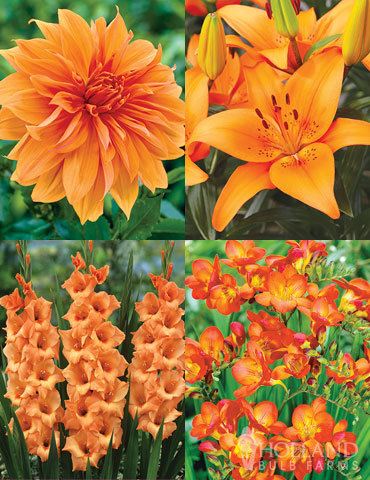
An orange flower is any flowering plant that produces blossoms in shades of orange. The color can range from soft peach-orange to deep burnt orange or brilliant tangerine. Some flowers naturally bloom in orange, while others have been developed through selective breeding.
Orange flowers belong to many different plant families. Some are annuals that bloom for one season, while others are perennials that return every year. There are also flowering shrubs, vines, bulbs, and trees that produce beautiful orange blossoms.
Holland Bulb Farms
Unlike a single plant species, “orange flower” is a broad gardening term that includes hundreds of flowering plants suitable for different climates and landscapes.
Why Orange Flowers Are So Popular
Orange flowers have become increasingly popular among homeowners because they create an inviting and cheerful atmosphere.
Some of the biggest reasons gardeners love orange flowers include:
- Bright and eye-catching colors
- Long blooming periods
- Easy maintenance
- Excellent pollinator attraction
- Suitable for cutting gardens
- Beautiful in containers
- Great for borders and flower beds
- Strong contrast with green foliage
- Compatible with many landscape designs
Orange flowers also photograph exceptionally well, making them favorites for outdoor weddings, social media gardens, and home landscaping projects.
The Meaning and Symbolism of Orange Flowers
Flower colors often carry emotional meanings, and orange flowers are among the most expressive.
They commonly represent:
- Happiness
- Energy
- Optimism
- Creativity
- Success
- Passion
- Friendship
- Confidence
- Celebration
- Warmth
Because of these positive associations, orange flowers are frequently used in birthday bouquets, graduation gifts, weddings, fall decorations, and festive celebrations.
In many gardens, they create a welcoming feeling that encourages people to spend more time outdoors.
25 Stunning Types of Orange Flower Varieties
One of the greatest advantages of choosing an orange flower is the incredible variety available. Some bloom in spring, while others continue flowering throughout summer and into fall.
1. Marigold (Tagetes spp.)
Marigolds are among the easiest flowers to grow.
They bloom continuously, tolerate heat well, and naturally help repel certain garden pests.
Best features:
- Bright orange blooms
- Long flowering season
- Beginner-friendly
- Great for vegetable gardens
2. Daylily (Hemerocallis spp.)
Daylilies produce large trumpet-shaped flowers.
Each bloom lasts only one day, but plants continuously produce new flowers throughout the season.
Ideal for:
- Borders
- Walkways
- Slopes
- Cottage gardens
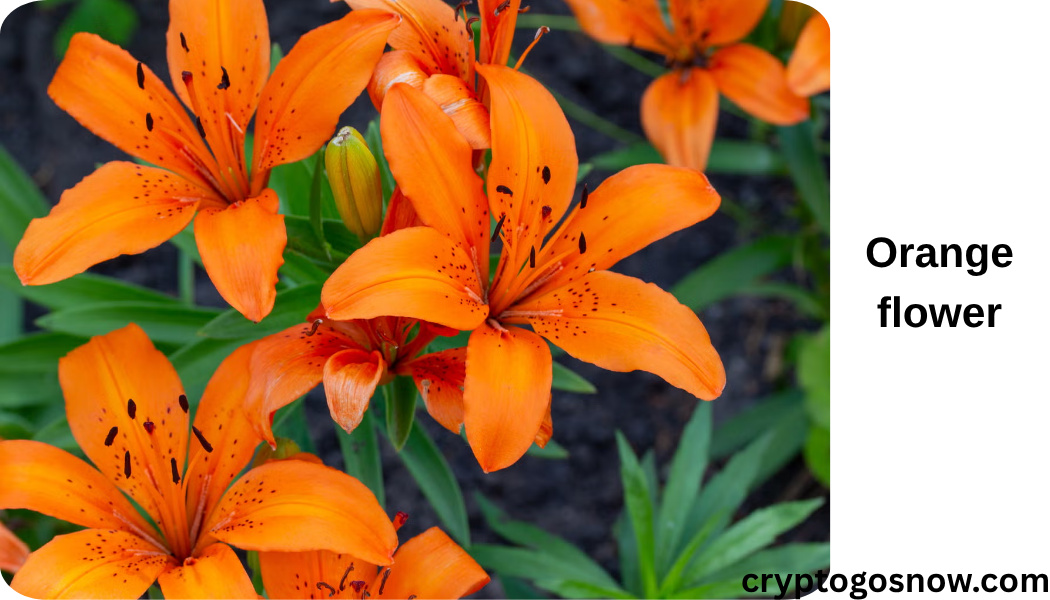
3. Tiger Lily (Lilium lancifolium)
Tiger lilies create dramatic displays with spotted orange petals.
These perennials return each year with very little maintenance.
Best uses:
- Statement planting
- Woodland gardens
- Mixed perennial beds
4. California Poppy
California poppies are famous for their glowing orange petals.
They thrive in sunny, dry conditions and require little watering once established.
5. Orange Tulips
Orange tulips brighten spring gardens with elegant blooms.
Popular varieties include:
- Princess Irene
- Orange Emperor
- Ballerina
- Orange Angelique
6. Zinnia
Zinnias bloom from early summer until frost.
They attract butterflies and make outstanding cut flowers.
7. Gerbera Daisy
Large daisy-like blooms make Gerbera daisies favorites for flower beds and containers.
They also remain fresh for many days after cutting.
8. Orange Rose
Several rose cultivars produce stunning orange blossoms.
Popular choices include:
- Lady of Shalott
- Westerland
- Tropicana
- Easy Does It
9. Cosmos
Orange cosmos produce delicate flowers above airy foliage.
They tolerate drought well and bloom continuously.
10. Nasturtium
These edible flowers offer peppery flavors and vibrant colors.
Gardeners often plant them near vegetables because they attract beneficial insects.
11. Blanket Flower (Gaillardia)
Blanket flowers combine orange, yellow, and red shades into spectacular blooms.
They thrive in hot climates and poor soils.
12. Canna Lily
Cannas create tropical-looking gardens with bold orange flowers and dramatic leaves.
13. Orange Coneflower
Coneflowers are excellent pollinator plants.
Their nectar attracts bees, butterflies, and songbirds.
14. Butterfly Weed
Butterfly weed is one of the best orange flowers for supporting monarch butterflies.
15. Begonia
Many begonias bloom in rich orange shades.
They perform well in containers and shaded patios.
16. Chrysanthemum
Orange mums dominate autumn gardens.
Their rich color perfectly matches fall decorations.
17. Crocosmia
Crocosmia produces arching stems covered with fiery orange blooms.
Hummingbirds especially enjoy these flowers.
18. Gazania
Gazanias love sunny gardens.
Their bright blooms often open during daylight and close at night.
19. Orange Hibiscus
These tropical flowers create a resort-like atmosphere.
Large blooms make excellent focal points.
20. Orange Dahlia
Dahlias offer some of the largest and most impressive orange flowers available.
21. Orange Snapdragon
Snapdragons provide vertical interest and colorful spikes.
22. Lantana
Lantana flowers change color as they mature.
Many varieties combine orange with yellow and pink shades.
23. Orange Ranunculus
Ranunculus flowers resemble miniature roses with dozens of layered petals.
24. Orange Orchid
Some orchid hybrids produce rare and exotic orange blooms suitable for indoor growing.
25. Orange Sunflower
Special sunflower varieties produce orange petals instead of traditional yellow.
These unique flowers become instant conversation pieces.
Annual vs. Perennial Orange Flowers
Understanding the difference helps gardeners choose the right plants.
Annual orange flowers include:
- Marigold
- Zinnia
- Cosmos
- Nasturtium
- Gazania
Perennial orange flowers include:
- Daylily
- Tiger Lily
- Blanket Flower
- Butterfly Weed
- Crocosmia
- Chrysanthemum
- Orange Coneflower
A balanced garden often combines both types for year-round interest.
Choosing the Right Orange Flower for Your Garden
Instead of selecting flowers based only on appearance, consider your growing conditions.
Questions to ask include:
- How much sunlight does the area receive?
- Is the soil sandy or clay?
- How much rainfall does your region get?
- Do you want flowers for cutting?
- Are pollinators important?
- How much maintenance can you provide?
Choosing flowers that naturally match your environment results in healthier plants with fewer problems.
Best USDA Hardiness Zones for Orange Flowers
Different flowers thrive in different climates.
Cool climates:
- Tulips
- Ranunculus
- Crocosmia
Warm climates:
- Hibiscus
- Canna Lily
- Lantana
Adaptable across many regions:
- Marigold
- Zinnia
- Daylily
- Blanket Flower
- Coneflower
Selecting climate-appropriate flowers reduces maintenance and increases blooming success.
How Orange Flowers Transform Landscape Design
Many landscaping guides focus only on flower colors, but experienced gardeners know orange flowers influence how a space feels.
Orange naturally draws attention. It creates movement across flower beds and highlights focal points like entryways, patios, and garden paths. Unlike softer pastel flowers that often blend into the background, orange blooms stand out from a distance and help guide the eye through the landscape.
Professional designers often use orange flowers to:
- Create a warm and welcoming entrance
- Brighten dark corners of the yard
- Add contrast against evergreen shrubs
- Make small gardens appear more vibrant
- Connect seasonal plantings from summer into fall
Another overlooked benefit is that orange flowers pair exceptionally well with natural materials such as stone pathways, wooden fences, and brick patios, creating a balanced and inviting outdoor environment.
How to Plant an Orange Flower Successfully
Planting an orange flower correctly is the first step toward healthy growth and long-lasting blooms. While each species has slightly different needs, most orange flowering plants thrive when planted in the right location with proper soil preparation.
Before planting, choose a site that receives enough sunlight for the variety you select. Most orange flowers perform best with at least six hours of direct sunlight each day.
Follow these basic planting steps:
- Remove weeds and grass from the planting area.
- Loosen the soil to improve root growth.
- Mix compost into the soil for added nutrients.
- Dig a hole twice as wide as the root ball.
- Place the plant at the same depth it was growing in its container.
- Fill the hole with soil and gently firm it.
- Water thoroughly after planting.
- Apply mulch to help retain moisture.
Avoid planting too deeply, as this can slow growth and increase the risk of root problems.
Best Soil for Orange Flower Plants
Healthy soil is one of the biggest factors in producing vibrant blooms.
Most orange flowers grow best in soil that is:
- Rich in organic matter
- Well-draining
- Slightly acidic to neutral (pH 6.0–7.0)
- Loose and easy for roots to expand
Heavy clay soils can hold too much water, while extremely sandy soils dry out quickly. Improving either soil type with compost creates a better growing environment.
Adding organic matter every year also supports beneficial microorganisms that naturally improve soil health.
Sunlight Requirements
The majority of orange flowering plants are sun-loving species.
Ideal sunlight conditions include:
- Full sun (6–8 hours daily) for marigolds, zinnias, blanket flowers, lantana, and poppies.
- Partial sun (4–6 hours) for begonias and some lilies.
- Filtered sunlight for certain orchids and shade-tolerant begonias.
Insufficient sunlight often results in fewer flowers, weak stems, and slower growth.
Watering Tips
Watering needs vary depending on the plant, weather, and soil type.
General recommendations include:
- Water deeply rather than lightly.
- Allow the top inch of soil to dry before watering again for most plants.
- Water early in the morning to reduce disease risk.
- Avoid wetting leaves whenever possible.
- Increase watering during extended heat waves.
Overwatering is one of the most common reasons flowering plants fail. Constantly wet soil can lead to root rot and fungal diseases.
Fertilizing for Bigger Blooms
Orange flowers need nutrients to produce healthy foliage and continuous blooms.
A balanced fertilizer works well for most species during the growing season.
Good practices include:
- Apply compost in spring.
- Feed flowering plants every 4–6 weeks if needed.
- Avoid excessive nitrogen, which encourages leafy growth instead of flowers.
- Stop fertilizing late in the season so plants can prepare for dormancy where applicable.
Organic fertilizers are an excellent choice because they improve soil health while supplying nutrients gradually.
Mulching Benefits
Mulch does much more than improve the appearance of flower beds.
Benefits include:
- Conserves soil moisture
- Reduces weed growth
- Protects roots from extreme temperatures
- Prevents soil erosion
- Improves soil as it breaks down
Apply a 2–3 inch layer around plants, but keep mulch a few inches away from stems to prevent rot.
Growing Orange Flowers in Containers
Many orange flowers perform exceptionally well in pots, making them ideal for patios, balconies, porches, and small gardens.
Excellent container choices include:
- Marigolds
- Gerbera daisies
- Begonias
- Zinnias
- Lantana
- Orange roses (compact varieties)
- Gazania
Choose containers with drainage holes and use a high-quality potting mix instead of garden soil.
Container-grown flowers usually require more frequent watering because the soil dries faster.
Companion Plants for Orange Flowers
Combining orange flowers with complementary plants creates visually appealing landscapes while supporting healthier gardens.
Great companion plants include:
- Purple salvia
- Lavender
- Russian sage
- Blue lobelia
- White alyssum
- Silver dusty miller
- Ornamental grasses
- Purple coneflowers
- Black-eyed Susans
These combinations create attractive color contrasts and extend seasonal interest.
Orange Flowers That Attract Pollinators
One of the greatest ecological benefits of orange flowers is their ability to support pollinators.
Many species produce nectar that attracts:
- Honeybees
- Native bees
- Butterflies
- Hummingbirds
- Beneficial insects
Top pollinator-friendly orange flowers include:
- Butterfly weed
- Zinnia
- Blanket flower
- Lantana
- Coneflower
- Cosmos
- Crocosmia
A diverse garden with flowering plants that bloom at different times helps provide food for pollinators throughout the growing season.
Seasonal Bloom Times
Choosing flowers with different bloom periods keeps gardens colorful for months.
Spring bloomers:
- Tulips
- Ranunculus
- California poppy (in many regions)
Summer bloomers:
- Marigolds
- Zinnias
- Daylilies
- Tiger lilies
- Coneflowers
- Canna lilies
Late summer and fall bloomers:
- Chrysanthemums
- Blanket flowers
- Lantana
- Gazania
- Dahlias
Mixing bloom times ensures continuous color from spring through autumn.
Common Problems When Growing Orange Flowers
Even healthy gardens occasionally experience issues.
Poor Flower Production
Possible causes include:
- Too much shade
- Excess nitrogen fertilizer
- Overcrowded plants
- Drought stress
Yellow Leaves
Often caused by:
- Overwatering
- Poor drainage
- Nutrient deficiencies
- Root damage
Wilting Plants
Common reasons include:
- Dry soil
- Root rot
- High temperatures
- Transplant shock
Correctly identifying the cause allows gardeners to respond quickly and prevent further damage.
Common Pests
Several insects may feed on flowering plants.
These include:
- Aphids
- Spider mites
- Japanese beetles
- Whiteflies
- Thrips
- Caterpillars
- Slugs and snails
Encouraging beneficial insects like ladybugs and lacewings can naturally reduce pest populations.
For severe infestations, insecticidal soap or neem oil can be effective when used according to label directions.
Common Diseases
Healthy growing conditions help prevent many plant diseases.
The most common problems include:
- Powdery mildew
- Root rot
- Botrytis blight
- Leaf spot
- Rust
- Downy mildew
Proper spacing, good air circulation, and watering at the base of plants greatly reduce disease risk.
Pruning and Deadheading
Regular maintenance encourages more blooms.
Deadheading, or removing faded flowers, helps many annuals and perennials continue producing new buds.
Prune damaged or diseased stems whenever they appear.
Some perennials also benefit from cutting back after flowering to encourage fresh growth.
Using Orange Flowers in Landscape Design
Orange flowers are versatile and can be used in many landscape settings.
Ideas include:
- Bright borders along walkways
- Cottage-style flower beds
- Pollinator gardens
- Rock gardens
- Patio containers
- Raised beds
- Wildlife-friendly landscapes
- Entryway plantings
- Mixed perennial gardens
For a professional appearance, repeat orange flowers throughout the landscape rather than grouping them in only one location.
Color Combinations That Work Best
Orange flowers pair beautifully with several other colors.
Popular combinations include:
- Orange and purple
- Orange and blue
- Orange and white
- Orange and yellow
- Orange and deep burgundy
- Orange with silver foliage
- Orange and dark green evergreens
Using complementary colors creates strong visual impact while maintaining balance.
Best Orange Flowers for Cut Arrangements
Some orange flowers last especially well indoors.
Excellent cut flowers include:
- Gerbera daisies
- Dahlias
- Roses
- Zinnias
- Tiger lilies
- Chrysanthemums
- Tulips
- Ranunculus
Harvest flowers early in the morning and place them immediately in clean water for the longest vase life.
Expert Gardening Tips for Better Results
Experienced gardeners often focus on simple practices that make a noticeable difference over time.
Helpful tips include:
- Plant in groups instead of single specimens for a stronger visual effect.
- Mix early-, mid-, and late-season bloomers for continuous color.
- Improve soil every year with compost rather than relying only on fertilizer.
- Choose disease-resistant varieties whenever available.
- Water deeply but less often to encourage stronger root systems.
- Leave some flowers to produce seeds that feed birds in autumn.
- Observe which plants perform best in your local climate and expand those varieties over time.
These habits not only improve plant health but also create a more resilient and attractive garden.
Mistakes to Avoid When Growing Orange Flowers
Many gardening problems can be prevented by avoiding a few common mistakes.
Do not:
- Plant sun-loving flowers in heavy shade.
- Overwater newly planted flowers.
- Ignore soil drainage.
- Crowd plants too closely together.
- Fertilize excessively with nitrogen.
- Leave faded blooms on plants that benefit from deadheading.
- Forget to mulch during hot weather.
- Plant without considering mature size.
Paying attention to these details leads to stronger plants and longer-lasting displays.
The Future of Orange Flowers in Home Gardens
As homeowners increasingly seek landscapes that are both beautiful and environmentally responsible, orange flowers are becoming even more valuable. Many modern varieties are bred for improved disease resistance, longer bloom periods, and better tolerance to heat and drought. At the same time, gardeners are placing greater importance on plants that support bees, butterflies, and other pollinators.
This combination of beauty, resilience, and ecological value ensures that orange flowers will remain a favorite choice for gardens across the United States. Whether used in large landscape projects or small container gardens, they continue to offer reliable color and lasting appeal throughout the growing season.
Conclusion
Orange flowers are much more than colorful additions to a garden. They bring warmth, energy, and personality to outdoor spaces while providing valuable support for pollinators and local ecosystems. With hundreds of varieties available, gardeners can find an orange flower suited to nearly every climate, soil type, and landscape style.
Success begins with choosing plants that match your growing conditions, preparing healthy soil, providing adequate sunlight, and maintaining consistent care. By combining annuals and perennials, selecting flowers with different bloom times, and following sound gardening practices, you can enjoy vibrant orange blossoms from spring through fall.
Whether your goal is to create a welcoming front yard, a pollinator-friendly landscape, or a colorful backyard retreat, orange flowers offer exceptional beauty, versatility, and long-term value. With thoughtful planning and regular care, these brilliant blooms can transform any outdoor space into a lively and memorable garden.
Frequently Asked Questions
Which orange flowers bloom the longest throughout the year?
Marigolds, zinnias, lantana, and blanket flowers are among the longest-blooming orange flowers. With regular deadheading and proper care, they can produce flowers from early summer until the first frost.
Are orange flowers suitable for drought-tolerant gardens?
Yes. Several orange flowers, including California poppies, blanket flowers, gazanias, and lantana, are well adapted to dry conditions once established, making them excellent choices for water-wise landscaping.
Can orange flowers improve biodiversity in a home garden?
Absolutely. Planting a variety of nectar-rich orange flowers helps attract bees, butterflies, hummingbirds, and beneficial insects, contributing to a healthier and more balanced garden ecosystem.
Which orange flowers are best for beginner gardeners?
Marigolds, zinnias, daylilies, cosmos, and nasturtiums are excellent options for beginners because they are easy to grow, require minimal maintenance, and bloom reliably.
How can I keep orange flowers blooming longer during the season?
Provide full sun, water consistently without overwatering, remove spent flowers regularly, apply a balanced fertilizer as needed, and monitor for pests or diseases. These simple practices encourage continuous flowering and healthier plants.