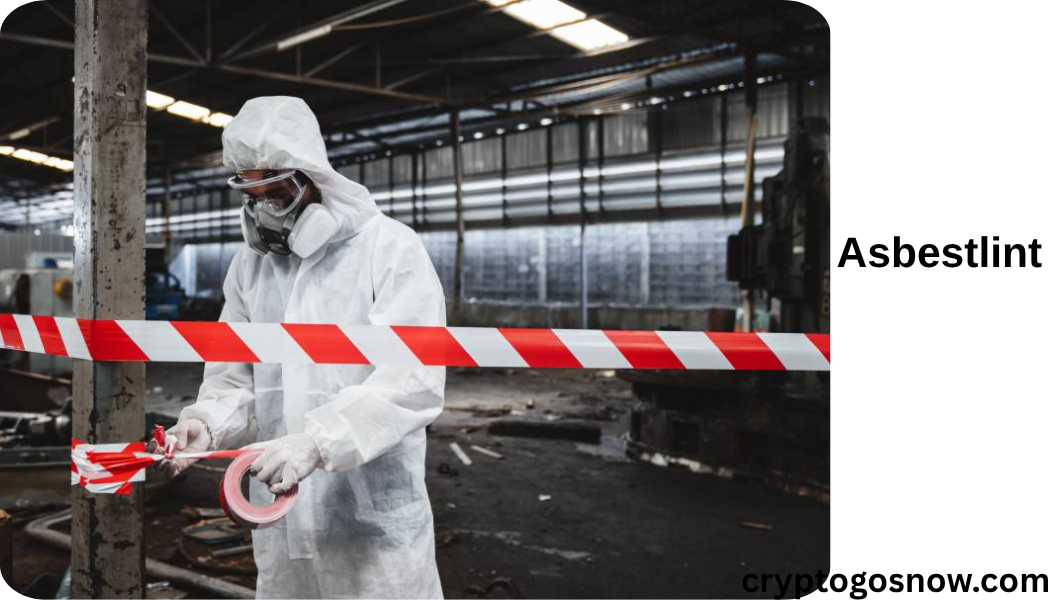
Asbestlint: The Complete Guide to Asbestos Tape, Health Risks, Identification, and Modern Safety Practices
For much of the twentieth century, asbestos was considered one of the most valuable industrial materials in the world. Its remarkable ability to resist heat, fire, chemicals, and electricity made it an essential component in thousands of commercial, industrial, and residential products. Among these materials was asbestlint, a ribbon-like asbestos tape that was widely used for insulation, sealing, and heat protection.
Today, the reputation of asbestos has changed completely. Instead of being viewed as an engineering breakthrough, it is now recognized as a serious health hazard. Scientific research has shown that tiny asbestos fibers can become airborne when damaged materials are disturbed. Once inhaled, these microscopic fibers may remain in the lungs for decades and increase the risk of severe diseases.
Despite the decline in asbestos use, millions of older buildings throughout the United States still contain asbestos-based materials. Because of this, homeowners, contractors, maintenance workers, and property managers continue searching for reliable information about asbestlint, how it was used, where it may still be found, and how to manage it safely.
Many online articles provide only a short definition of asbestos tape before listing its health risks. This guide goes much further. It explains why asbestlint became so popular, how it functioned in industrial systems, why it eventually became restricted, and what modern property owners should know about identifying and managing potential asbestos-containing materials.
Whether you own an older home, manage commercial buildings, work in construction, or simply want to understand asbestos history, this guide provides practical information in simple English while following current safety principles.
What Is Asbestlint?
Asbestlint refers to asbestos tape or ribbon-like insulation material that historically contained asbestos fibers. It was manufactured in flexible strips that could easily wrap around pipes, boilers, ducts, valves, joints, and other equipment requiring thermal insulation or fire resistance.
Unlike rigid insulation boards, asbestlint could bend around curved surfaces, making it useful for sealing irregular shapes where standard insulation products were difficult to install.
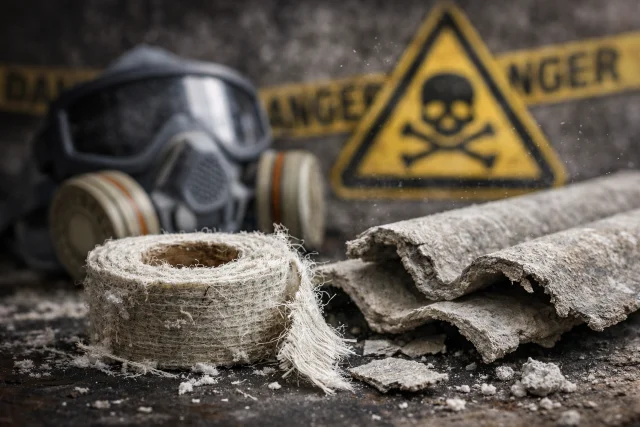
Depending on its intended application, asbestos tape was sometimes woven from asbestos fibers or combined with binding materials that improved durability and flexibility.
For many decades, engineers considered asbestlint an efficient solution because it combined strength, flexibility, and exceptional heat resistance.
Overview of Asbestlint
| Feature | Description |
| Material Type | Asbestos insulation tape or ribbon |
| Primary Purpose | Heat insulation and fire protection |
| Common Uses | Pipes, boilers, valves, ducts, industrial equipment |
| Main Properties | Heat resistant, fire resistant, chemically stable |
| Historical Use | Residential, commercial, industrial facilities |
| Current Status | Restricted or prohibited in many applications due to health risks |
| Safety Concern | Airborne asbestos fibers may pose serious health risks if disturbed |
The History of Asbestlint
To understand asbestlint, it helps to examine the broader history of asbestos.
Natural asbestos minerals have been used for thousands of years because of their unusual physical properties.
During the Industrial Revolution, demand increased dramatically.
Factories, ships, power plants, railroads, and construction companies required materials capable of withstanding extremely high temperatures.
Asbestos met these requirements better than many alternatives available at the time.
Manufacturers soon developed specialized asbestos products including:
- Pipe insulation
- Fireproof blankets
- Roofing materials
- Cement products
- Electrical insulation
- Gaskets
- Protective clothing
- Asbestlint
By the mid-twentieth century, asbestos products had become common throughout industrial facilities and many residential buildings.
Why Asbestlint Was So Popular
Modern readers sometimes wonder why asbestos became so widely accepted despite today’s health concerns.
The answer lies in its unique engineering advantages.
Exceptional Heat Resistance
Asbestos fibers tolerate very high temperatures without burning.
This property made asbestlint ideal for insulating steam pipes and industrial equipment.
Fire Protection
Buildings increasingly required fire-resistant construction materials.
Asbestlint helped reduce heat transfer around critical systems.
Flexibility
Unlike rigid insulation boards, asbestos tape wrapped easily around complex pipe systems.
Chemical Resistance
Many industrial environments exposed insulation materials to oils, chemicals, and moisture.
Asbestos maintained its performance under demanding conditions.
Long Service Life
Properly installed asbestos insulation often remained functional for decades.
These practical benefits explain why engineers widely adopted asbestos before its health risks became fully understood.
How Asbestlint Was Manufactured
Although manufacturing methods varied, many asbestos tapes shared similar construction.
The process generally included:
- Processing asbestos fibers.
- Weaving or compressing fibers into tape.
- Adding binding materials.
- Applying protective coatings when required.
- Packaging products for industrial installation.
Different manufacturers produced tapes with varying thicknesses depending on intended applications.
Common Applications of Asbestlint
Because of its flexibility, asbestos tape appeared in many environments.
Steam Pipes
Steam systems generated extremely high temperatures.
Asbestlint helped reduce heat loss while protecting nearby equipment.
Boilers
Boilers required insulation capable of enduring continuous heat.
Heating Systems
Older heating equipment frequently incorporated asbestos-based insulation materials.
Industrial Machinery
Factories used asbestos tape around equipment exposed to elevated temperatures.
Valves and Pipe Joints
Flexible tape sealed irregular surfaces where rigid insulation could not fit properly.
Electrical Systems
Certain electrical equipment used asbestos because of its heat resistance and insulating properties.
Where Asbestlint May Still Be Found Today
Although new asbestos products are heavily restricted in many countries, older buildings may still contain original materials.
Possible locations include:
- Older commercial buildings.
- Industrial facilities.
- Manufacturing plants.
- Schools built decades ago.
- Hospitals.
- Apartment buildings.
- Older homes.
- Utility infrastructure.
The likelihood depends largely upon the building’s construction date and renovation history.
Understanding the Different Types of Asbestos
Many people assume asbestos is a single material.
In reality, several naturally occurring minerals belong to the asbestos family.
These minerals share a fibrous crystal structure but differ slightly in physical characteristics.
Historically, manufacturers selected different asbestos types depending upon intended applications.
Understanding these differences helps explain why asbestos appeared in such a wide variety of industrial products.
Why Asbestos Became a Serious Health Concern
The qualities that made asbestos useful also contributed to its dangers.
When asbestos-containing materials remain undamaged and undisturbed, fiber release is generally much lower than when the material is cut, drilled, sanded, or deteriorates over time.
If fibers become airborne, they are small enough to be inhaled deep into the lungs.
Unlike ordinary dust, asbestos fibers break down very slowly inside the body.
Years or even decades may pass before health effects become apparent.
This long delay initially made it difficult for researchers to recognize the connection between asbestos exposure and disease.
Health Risks Associated with Asbestlint
Exposure to airborne asbestos fibers has been linked to several serious diseases.
These include:
Asbestosis
A chronic lung disease caused by prolonged inhalation of asbestos fibers.
Lung Cancer
Long-term asbestos exposure increases the risk of lung cancer, especially among smokers.
Mesothelioma
A rare but aggressive cancer affecting the lining surrounding the lungs, abdomen, or heart.
Pleural Disease
Asbestos exposure may also affect the tissues surrounding the lungs.
These conditions often develop many years after exposure.
For this reason, preventing unnecessary exposure remains extremely important.
Who Faces the Greatest Exposure Risk?
Historically, certain occupations experienced higher asbestos exposure.
Examples include:
- Construction workers.
- Insulation installers.
- Shipyard employees.
- Electricians.
- Boiler technicians.
- Factory workers.
- Demolition crews.
- Maintenance personnel.
Today, renovation and demolition projects involving older buildings remain among the most common situations where asbestos-containing materials may be encountered.
How to Recognize Suspected Asbestlint
One of the biggest misconceptions is that asbestos can be identified simply by appearance.
In reality, many asbestos products resemble non-asbestos materials.
Potential warning signs include:
- Older insulation tape.
- White, gray, or off-white fibrous wrapping.
- Aging pipe insulation.
- Deteriorating insulation around boilers.
- Tape installed decades before asbestos restrictions.
However, appearance alone cannot confirm whether a material contains asbestos.
Professional laboratory testing is generally required for reliable identification.
Common Mistakes People Make
Many property owners unknowingly increase exposure risks.
Common mistakes include:
- Removing old insulation without testing.
- Sanding suspected asbestos materials.
- Drilling into older insulated surfaces.
- Sweeping asbestos dust with ordinary brooms.
- Using household vacuum cleaners on contaminated debris.
These activities may release microscopic fibers into the air.
What Most Websites Don’t Explain About Asbestlint
Many online articles focus only on asbestos dangers.
While understanding health risks is essential, another important lesson often goes unmentioned.
Asbestlint represents an important chapter in engineering history.
When it was introduced, manufacturers believed they had discovered an exceptionally durable material capable of improving fire safety and industrial efficiency.
The widespread use of asbestos was not simply the result of poor decision-making. It reflected the scientific understanding and industrial priorities of that era.
As medical research advanced, society adapted by developing stricter regulations, safer construction materials, and improved workplace protections.
Understanding this historical progression helps explain why asbestos remains present in many older buildings despite no longer being considered an appropriate material for modern construction.
Original Analysis: Why Asbestos Still Matters Today
Some people assume asbestos is no longer relevant because new construction rarely uses it.
In reality, millions of existing structures continue containing legacy asbestos materials.
The challenge today is not widespread new installation.
Instead, it involves responsible management of aging materials already present in older infrastructure.
This shift has transformed asbestos from a manufacturing issue into a building management and public health issue.
Property owners, contractors, engineers, inspectors, and regulators now focus on identifying, monitoring, repairing, encapsulating, or safely removing asbestos-containing materials when necessary.
Understanding this transition provides a broader perspective than simply viewing asbestos as an outdated industrial product.
Asbestlint remains important because it illustrates how engineering innovation, scientific research, occupational safety, and public health continue influencing one another over time.
How Asbestlint Is Inspected Today
Because many asbestos-containing materials look similar to non-asbestos products, visual inspection alone is not enough to confirm whether a material contains asbestos.
Modern asbestos inspections usually follow a structured process.
Initial Site Assessment
A trained inspector examines the property and identifies materials that may contain asbestos based on their age, location, appearance, and condition.
Material Sampling
If necessary, small samples are collected using specialized safety procedures to minimize fiber release.
Laboratory Analysis
Samples are analyzed using approved laboratory methods to determine whether asbestos fibers are present.
Inspection Report
The final report explains the findings and recommends appropriate next steps based on the condition of the material.
Professional inspections help property owners make informed decisions while reducing unnecessary exposure risks.
Understanding the Condition of Asbestlint
Not every asbestos-containing material presents the same level of risk.
Professionals generally evaluate several factors.
Material Condition
Undamaged materials are generally less likely to release fibers than materials that are broken or deteriorating.
Location
Materials located in areas with frequent maintenance or heavy traffic may be more likely to become disturbed.
Accessibility
Hidden insulation inside walls or mechanical systems may present different management considerations than exposed materials.
Future Renovation Plans
Projects involving demolition, remodeling, or repairs often require additional evaluation before work begins.
Understanding these factors helps determine the safest management approach.
Managing Suspected Asbestlint Safely
If you believe a building contains asbestlint, the safest approach is to avoid disturbing the material until it has been properly evaluated.
General precautions include:
- Avoid cutting, drilling, sanding, or scraping suspected materials.
- Do not attempt to remove insulation without proper training and equipment.
- Restrict unnecessary access to damaged areas.
- Arrange for professional evaluation if renovation work is planned.
- Follow applicable local, state, and federal regulations.
Taking preventive steps can greatly reduce the chance of airborne fiber release.
Professional Asbestos Removal
When asbestos-containing materials require removal, specialized contractors follow strict safety procedures.
Although exact methods vary depending on regulations and project conditions, professional removal typically includes:
Area Preparation
The work area is isolated to reduce the spread of dust and debris.
Protective Equipment
Workers wear specialized personal protective equipment suitable for asbestos work.
Controlled Removal
Materials are carefully removed using methods designed to minimize airborne fibers.
Safe Packaging
Waste is sealed in approved containers or bags before transportation.
Final Cleaning
Specialized cleaning procedures and equipment are used to remove remaining contamination.
Clearance Procedures
Depending on project requirements, additional inspections or air testing may be completed before the area is returned to normal use.
Professional removal significantly reduces risks compared with untrained handling.
Why DIY Removal Is Not Recommended
Many homeowners assume removing old insulation themselves saves money.
In reality, disturbing asbestos-containing materials without proper knowledge can greatly increase exposure.
Potential problems include:
- Releasing microscopic fibers into indoor air.
- Contaminating furniture, clothing, and ventilation systems.
- Increasing cleanup costs.
- Creating health risks for occupants.
For these reasons, asbestos removal is generally best handled by trained professionals.
Proper Disposal of Asbestlint
Asbestos waste cannot usually be discarded with ordinary household trash.
Regulations often require:
- Leak-tight packaging.
- Clearly labeled containers.
- Transportation by approved procedures.
- Disposal at authorized facilities.
Proper disposal protects sanitation workers, the public, and the environment from unnecessary exposure.
Modern Alternatives to Asbestlint
Advances in material science have produced safer insulation products that provide excellent performance without using asbestos.
Common alternatives include:
Fiberglass Insulation
Widely used because of its good thermal performance and affordability.
Ceramic Fiber Products
Often used in high-temperature industrial applications.
Mineral Wool
Provides excellent heat resistance while also improving sound insulation.
Silica-Based Insulation
Suitable for many industrial systems requiring high-temperature performance.
High-Performance Synthetic Materials
Modern engineered materials continue improving thermal efficiency and durability.
These alternatives demonstrate how engineering has evolved to meet safety expectations while maintaining performance.
Environmental Considerations
Managing asbestos responsibly also protects the environment.
Improper disposal may contaminate land, buildings, or waste facilities.
Responsible management includes:
- Following approved removal procedures.
- Preventing unnecessary fiber release.
- Using licensed disposal facilities where required.
- Maintaining accurate project documentation.
Environmental protection remains an important part of modern asbestos management.
Original Analysis: Why Asbestos Management Is Different Today
One important difference between past and present is the shift in priorities.
Decades ago, industries focused primarily on material performance.
Today, decision-making balances several factors.
These include:
- Worker safety.
- Public health.
- Environmental responsibility.
- Long-term building management.
- Regulatory compliance.
This broader perspective has encouraged the development of safer construction materials while improving occupational health standards.
Rather than viewing asbestos simply as an outdated material, modern professionals approach it as a risk management issue requiring informed decisions and careful planning.
Common Myths About Asbestlint
Myth 1: Every Old Building Contains Asbestlint
Not all older buildings contain asbestos tape or asbestos insulation.
The presence of asbestos depends on factors such as construction date, renovation history, and materials used.
Myth 2: You Can Identify Asbestlint by Looking at It
Appearance alone cannot confirm whether insulation contains asbestos.
Many non-asbestos materials look similar.
Laboratory testing is generally required for confirmation.
Myth 3: If Asbestos Is Present, It Must Always Be Removed Immediately
Not necessarily.
Management decisions depend on the material’s condition, whether it is likely to be disturbed, and applicable regulations.
In some situations, carefully managing intact asbestos-containing materials may be appropriate.
Myth 4: New Buildings Commonly Use Asbestlint
Modern construction generally relies on safer alternative insulation materials instead of asbestos products.
The Future of Asbestos Management
Although new asbestos use has declined significantly, managing existing asbestos-containing materials remains an ongoing responsibility.
Future developments may include:
Improved Detection Technology
New inspection methods may make asbestos identification faster and more accurate.
Better Building Records
Digital documentation can help property owners track the location and condition of asbestos-containing materials.
Advanced Protective Equipment
Safety equipment continues improving worker protection during inspection and removal activities.
Innovative Replacement Materials
Engineers continue developing insulation products that provide excellent thermal performance without asbestos-related health concerns.
These advances support safer management of older buildings while encouraging sustainable construction practices.
Practical Tips for Property Owners
If you own or manage an older property, several practical steps can help reduce unnecessary risks.
- Keep records of building renovations and inspections.
- Avoid disturbing unknown insulation materials.
- Schedule inspections before major remodeling projects.
- Hire qualified professionals when asbestos is suspected.
- Follow applicable regulations regarding removal and disposal.
- Educate maintenance personnel about asbestos awareness.
These simple precautions contribute to safer buildings and better long-term property management.
Also read:Growth Navigate Funding: The Complete Guide to Raising Capital and Scaling Your Startup Successfully
Why Asbestlint Remains an Important Topic in 2026
Although asbestos is no longer widely used in modern construction, its legacy continues to affect millions of buildings around the world.
Older schools, hospitals, factories, office buildings, and homes may still contain asbestos insulation installed decades ago.
Understanding asbestlint helps property owners, contractors, inspectors, and maintenance professionals make informed decisions while protecting workers and building occupants.
Knowledge remains one of the most effective tools for reducing unnecessary exposure.
Conclusion
Asbestlint was once considered an innovative insulation material because of its exceptional resistance to heat, fire, and chemicals. For many years, it played an important role in industrial facilities, commercial buildings, and residential construction where reliable thermal protection was essential. However, scientific research later revealed that asbestos fibers can pose serious health risks when released into the air and inhaled, fundamentally changing how these materials are viewed and managed.
Today, the focus is no longer on installing asbestos products but on identifying, monitoring, and safely managing the materials that remain in older buildings. Responsible inspection, professional evaluation, appropriate removal when necessary, and proper disposal all contribute to protecting public health while preserving building safety.
Understanding the history of asbestlint also provides an important lesson about engineering and public health. Materials once celebrated for their performance must continually be evaluated as scientific knowledge advances. This balance between innovation, safety, and responsible regulation continues to shape modern construction practices and workplace standards.
For homeowners, property managers, contractors, and anyone involved with older buildings, learning about asbestlint is not simply about understanding the past. It is about making informed decisions that support safer environments today and for future generations.
Frequently Asked Questions
What does the term asbestlint mean?
Asbestlint refers to ribbon-like or tape-shaped insulation material that historically contained asbestos fibers. It was commonly used to wrap pipes, valves, boilers, ducts, and other equipment requiring heat resistance and fire protection.
Is every old insulation tape made with asbestos?
No. While many older insulation tapes contained asbestos, others were manufactured using different materials. Laboratory analysis is generally required to confirm whether a specific product contains asbestos.
Why was asbestlint used so widely in the past?
It offered excellent heat resistance, fire protection, flexibility, durability, and chemical stability. These properties made it an effective insulation material before the health risks of asbestos exposure were fully understood.
What should someone do if they suspect a building contains asbestlint?
Avoid disturbing the material, especially if it is damaged or deteriorating. If renovation, repair, or demolition is planned, arrange for an inspection by a qualified asbestos professional to determine whether asbestos is present and what management approach is appropriate.
Why is asbestlint still relevant if asbestos use has declined?
Many buildings constructed decades ago still contain legacy asbestos materials. Understanding how to identify, assess, and safely manage these materials remains important for protecting workers, occupants, and the environment while complying with current safety regulations.